

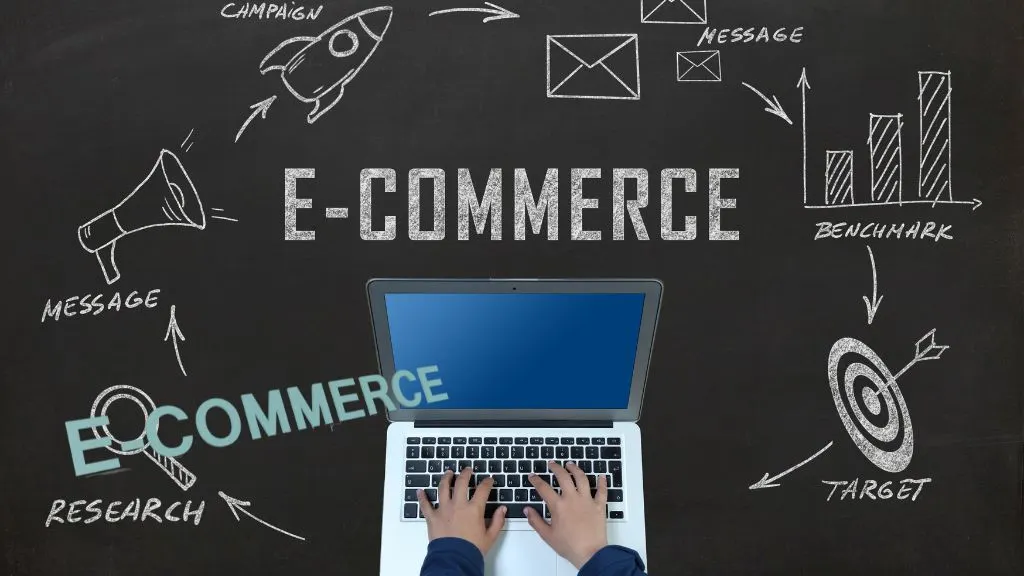
Launching an ecommerce business today is easier than ever. Scaling it profitably? That’s where most brands struggle.
Paid ads get expensive. Marketplaces take commissions. Social media algorithms change overnight. In this environment, Search Engine Optimization (SEO) has become the most sustainable growth engine for ecommerce ventures — not as a “marketing add-on,” but as a core business strategy.
This article explains why SEO is no longer optional for ecommerce, how it directly impacts revenue, and what brands miss when they delay investing in it.
The Reality of Ecommerce Growth in 2026
Ecommerce competition has exploded across almost every category — fashion, electronics, D2C brands, B2B ecommerce, and niche marketplaces.
Today’s reality:
- Customers research before they buy
- Google is often the first touchpoint, not Instagram or ads
- AI Overviews and zero-click results now influence buying decisions
- Trust, visibility, and brand authority matter more than discounts
If your ecommerce store doesn’t appear when users are actively searching, you’re invisible to high-intent buyers.
That’s exactly where SEO becomes critical.
What SEO Actually Does for Ecommerce (Beyond Rankings)
SEO isn’t just about ranking product pages. For ecommerce, it impacts every stage of the buyer journey.
1. Captures High-Intent Traffic
Unlike ads or social content, SEO targets users who are already searching for:
- Specific products
- Comparisons
- Reviews
- Buying guides
- “Best” or “near me” queries
These users are closer to conversion, making organic traffic one of the highest-ROI channels for ecommerce.
2. Builds Long-Term Visibility (Not Temporary Traffic)
Paid ads stop the moment you stop paying. SEO compounds.
A well-optimized:
- Category page
- Product page
- Buying guide
- Brand story page
…can drive traffic, leads, and sales for months or even years with incremental maintenance.
For ecommerce ventures thinking long-term, SEO becomes a business asset, not a cost.
3. Improves Conversion Through Better UX
Modern SEO is deeply connected with:
- Page speed
- Mobile usability
- Clear navigation
- Structured product data
- Helpful content
Optimizing for search engines naturally improves the shopping experience, leading to:
- Lower bounce rates
- Higher add-to-cart rates
- Better checkout completion
SEO doesn’t just bring users — it helps convert them.
Why Ecommerce Without SEO Is a Risky Bet
Many ecommerce brands rely heavily on:
- Performance marketing
- Influencers
- Marketplaces like Amazon or Flipkart
While these channels work, they come with serious limitations.
Over-Dependence on Paid Ads
- Rising CPCs
- Lower margins
- Ad fatigue
- Platform dependency
SEO reduces this risk by diversifying traffic and lowering customer acquisition costs over time.
No Control Over Marketplaces
Marketplaces control:
- Visibility
- Customer data
- Pricing pressure
- Brand differentiation
SEO allows ecommerce brands to own their audience, build brand recall, and establish authority outside third-party platforms.
SEO and AI Overviews: The New Ecommerce Opportunity
Search is evolving fast.
AI Overviews now summarize:
- Product comparisons
- Buying advice
- Brand recommendations
- “Best for” lists
Ecommerce brands that:
- Answer questions clearly
- Use structured data
- Publish helpful buying content
- Build topical authority
…are more likely to appear in AI-generated search results, even above traditional rankings.
SEO today isn’t just about Google links — it’s about being the source AI trusts.
How SEO Supports Every Ecommerce Growth Stage
Early-Stage Ecommerce
- Brand awareness
- Category discovery
- Informational blogs
- Problem-solution content
Growth-Stage Ecommerce
- Category dominance
- Product-led SEO
- Comparison pages
- Use-case content
Scaled Ecommerce Brands
- Brand searches
- Authority content
- International SEO
- Defensive SEO against competitors
No matter the stage, SEO adapts and scales with the business.
Common SEO Mistakes Ecommerce Brands Make
Many ventures “do SEO” but see no results because they:
- Focus only on keywords, not intent
- Ignore technical SEO (crawlability, indexing)
- Publish thin or duplicate product descriptions
- Don’t build internal linking properly
- Chase trends instead of building topical depth
Effective ecommerce SEO requires strategy, structure, and consistency, not shortcuts.
SEO Is Not a Tactic — It’s a Growth System
For ecommerce, SEO connects:
- Content
- Product architecture
- Technical foundations
- User experience
- Brand authority
When done right, it becomes a self-reinforcing system:
More visibility → more trust → more clicks → more conversions → stronger brand signals → even better rankings.
That’s why every serious ecommerce venture eventually turns to SEO — either proactively or after burning budgets elsewhere.
Final Thoughts: The Smartest Ecommerce Brands Invest Early in SEO
SEO is no longer “nice to have.”
It’s no longer slow.
And it’s definitely no longer optional for ecommerce.
In a world where buyers search before they buy, being discoverable at the right moment is everything.
Ready to Build a Scalable Ecommerce SEO Engine?
If you’re serious about turning search visibility into sustainable ecommerce growth, you need more than generic optimization — you need a strategy aligned with business goals.
Anatomy of Brands helps ecommerce businesses build SEO systems that:
- Rank in SERP and AI Overviews
- Attract high-intent buyers
- Reduce dependency on paid ads
- Scale organically with the brand
If you’re looking for a results-driven SEO agency that understands ecommerce beyond keywords, Anatomy of Brands is built for that exact mission.
👉 Let’s turn search into your strongest sales channel.