
The perfect animation style for your business depends on your goal.
2D animation works best for explaining complex ideas, 3D animation is ideal for product visualization, motion graphics simplify data, whiteboard builds clarity for training, and hybrid animation enhances brand storytelling. The right choice aligns with your audience, platform, and conversion objective.
Animation is not just about creativity — it’s about strategy. Choosing the right animation style can directly impact engagement, retention, brand perception, and conversions.
Let’s break down which animation style fits which business goal.
Why the Right Animation Style Impacts Business Results
Different animation styles trigger different psychological responses.
- Clear visuals improve comprehension
- Motion increases retention
- Storytelling builds emotional connection
- Realistic visuals increase perceived value
If your animation doesn’t match your marketing objective, it won’t perform — no matter how beautiful it looks.
1. 2D Explainer Animation
Best For: SaaS, tech startups, service businesses, healthcare, education
2D animation uses characters, icons, and simple motion to explain ideas clearly.
Why It Works
- Simplifies complex topics
- Cost-effective production
- Ideal for landing pages and ads
- Increases conversion by improving clarity
If your goal is educating your audience and generating leads, 2D explainer videos are often the smartest choice.
2. 3D Animation
Best For: Real estate, architecture, manufacturing, product-based businesses
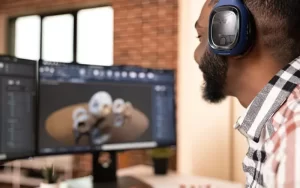
3D animation creates depth, realism, and immersive visualization.
Why It Works
- Showcases products from every angle
- Demonstrates internal mechanisms
- Builds premium brand perception
- Ideal for high-ticket products
If your goal is impressing investors or showcasing technical products, 3D animation delivers maximum impact. Partnering with an experienced 3D animation company in Kolkata can help ensure technical precision and production quality.
3. Motion Graphics
Best For: Corporate brands, fintech, B2B marketing, presentations
Motion graphics focus on animated text, charts, and graphic elements.
Why It Works
- Perfect for data storytelling
- Clean and professional appearance
- Strong performance on LinkedIn and webinars
- Enhances brand authority
If your goal is to present statistics or explain systems clearly, motion graphics are highly effective.
4. Whiteboard Animation
Best For: Coaching institutes, e-learning platforms, training modules
Whiteboard animation simulates hand-drawn visuals.
Why It Works
- Creates instructional clarity
- Keeps audience focused
- Excellent for step-by-step explanations
- Builds trust and simplicity
If your objective is training or educational engagement, this style performs consistently well.
5. Stop Motion Animation
Best For: E-commerce brands, social media campaigns, product storytelling
Stop motion captures real objects frame-by-frame.
Why It Works
- Highly engaging on Instagram and reels
- Unique and memorable
- Ideal for creative product showcases
If your goal is boosting social media engagement, stop motion can stand out in crowded feeds.
6. Typography (Kinetic Text) Animation
Best For: Brand storytelling, ad campaigns, motivational content
Typography animation focuses on animated text synced with audio.
Why It Works
- Strong emotional impact
- Attention-grabbing in short-form videos
- Excellent for brand recall
If your goal is creating emotional resonance and brand memorability, kinetic typography is powerful.
7. Hybrid Animation (Live-Action + Animation)
Best For: Brand films, product launches, corporate campaigns
Hybrid animation blends live footage with animated overlays.
Why It Works
- Combines realism with creativity
- Builds authenticity and trust
- High storytelling impact
If your goal is building brand credibility while keeping visuals dynamic, hybrid animation is ideal.
How to Choose the Best Animation Style for Your Business
Ask yourself these strategic questions:
1. What is your marketing objective?
- Awareness
- Engagement
- Education
- Lead generation
- Conversion
2. Who is your target audience?
- Corporate professionals
- Gen Z consumers
- Investors
- Technical buyers
Audience psychology matters more than trends.
3. Where will you publish it?
- Website landing page
- YouTube ads
- Instagram reels
- LinkedIn campaigns
- Sales presentations
Platform behavior influences performance.
4. What stage of the funnel is this for?
- Top of funnel → Awareness (creative, emotional styles)
- Middle of funnel → Education (2D, motion graphics)
- Bottom of funnel → Conversion (clear, product-focused visuals)
Quick Comparison: Animation Style vs Business Goal
| Business Goal | Recommended Animation Style |
|---|---|
| Explain complex services | 2D Explainer |
| Showcase product details | 3D Animation |
| Present statistics | Motion Graphics |
| Train employees/students | Whiteboard |
| Increase social engagement | Stop Motion |
| Emotional brand storytelling | Typography / Hybrid |
Common Mistakes Businesses Make
- Choosing style based on trend, not strategy
- Overcomplicating visuals
- Ignoring audience platform behavior
- Prioritizing design over clarity
- Not aligning animation with funnel stage
Animation should serve business outcomes — not just aesthetics.
Final Takeaway
There is no universally “perfect” animation style.
The perfect animation style is the one that:
- Aligns with your business goal
- Matches your audience expectations
- Fits your marketing funnel stage
- Delivers measurable ROI
Strategy first. Style second.
Ready to Create Purpose-Driven Animation?
At Anatomy of Brands, we help businesses choose animation styles based on real marketing objectives — not guesswork. Whether you need motion graphics, explainer videos, or support from a professional 3D animation company in Kolkata, we focus on clarity, impact, and conversion.
If you’re planning your next animated campaign, let’s build visuals that don’t just move — but perform.