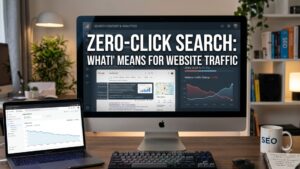

If you’re growing a business online, you’ve likely asked: SEO vs Google Ads—which is better? Both can drive traffic, leads, and sales, but they work differently. Your choice depends on business type, goals, and urgency. This guide breaks down SEO and Google Ads, compares their pros and cons, and helps you make the right decision for your brand—whether it’s a small business, e-commerce store, or startup.
What is SEO?
SEO (Search Engine Optimization) is optimizing your website and content to rank higher in organic search results. Unlike paid ads, SEO focuses on attracting visitors naturally by providing valuable content.
Key Elements of SEO:
- Keyword Research: Find search terms your audience uses, like “SEO vs Google Ads for small business”.
- On-Page Optimization: Optimize titles, headings, and meta descriptions.
- Technical SEO: Ensure fast loading, mobile-friendly pages, and proper structured data.
- Backlinks: Acquire quality links to improve website authority.
- Content Strategy: Create valuable content that solves user queries.
Pros of SEO:
- Long-term, sustainable traffic
- Cost-effective over time
- Builds brand credibility and trust
- Higher click-through rate in organic results
Cons of SEO:
- Takes months to show results
- Requires consistent content updates
- Competitive keywords may be hard to rank
Snippet-ready definition:
SEO is the process of improving your website to attract organic traffic from search engines, building long-term visibility and authority.
What are Google Ads?
Google Ads is a paid advertising platform where businesses bid on keywords to appear in search results, YouTube, or display networks. You pay per click, and traffic is immediate.
Key Elements of Google Ads:
- Keyword Targeting: Bid on specific search terms, e.g., “SEO or Google Ads ROI comparison.”
- Ad Copy: Create compelling ads that encourage clicks.
- Landing Pages: Optimize pages to convert visitors into leads or sales.
- Campaign Management: Adjust bids, targeting, and budgets for maximum ROI.
Pros of Google Ads:
- Instant visibility in search results
- Highly targeted audience
- Full control over budget and location
- Easy to test and optimize campaigns
Cons of Google Ads:
- Can be expensive, especially in competitive niches
- Traffic stops if you stop paying
- Requires constant optimization
Snippet-ready definition:
Google Ads are paid search ads that appear instantly, targeting users actively searching for your products or services.
Key Differences: SEO vs Google Ads
| Feature | SEO | Google Ads |
|---|---|---|
| Cost | Investment in content and tools | Pay-per-click bidding costs |
| Time to Results | 3–12 months | Immediate visibility |
| Longevity | Long-term benefits | Stops when budget ends |
| Traffic Type | Organic, trusted by users | Paid, targeted audience |
| Credibility | Builds authority | Seen as an advertisement |
| Optimization Complexity | Content, technical, and backlinks | Keywords, bidding, ad performance |
Which is Better?
The answer depends on your business type and goals.
1. Long-Term Growth: SEO Wins
For small businesses and e-commerce stores, SEO provides sustainable traffic and authority. A well-optimized blog or product page can drive traffic for years without ongoing costs.
2. Fast Results: Google Ads Wins
If your goal is immediate leads or sales, Google Ads is the way to go. Launch seasonal promotions, special campaigns, or product launches with instant visibility.
3. The Best Approach: Combine Both
Many successful brands use both SEO and Google Ads. While SEO builds organic authority, Ads drive quick conversions. Plus, Ads data helps refine SEO strategy by identifying high-performing keywords.
Snippet-ready summary:
SEO builds long-term traffic, Google Ads delivers immediate results, and combining both often gives the best outcome.
Factors to Consider
Before deciding, consider:
- Budget: SEO needs content and tools investment; Ads require flexible budgets.
- Timeline: Do you need instant traffic or long-term growth?
- Competition: Highly competitive niches often need both strategies.
- Business Goals: Are you aiming for awareness, leads, or sales?
- Analytics & Tracking: Both require monitoring and optimization.
Real-World Examples
- A new e-commerce startup may start with Google Ads to drive sales quickly while building SEO for long-term traffic.
- An established B2B company can focus on SEO to capture leads over time, using Ads for high-value campaigns.
- Competitive industries like finance or legal services often combine both for maximum visibility.
Snippet-ready takeaway:
Startups often use Ads for quick sales and SEO for long-term growth, while established companies may prioritize SEO with selective paid campaigns.
SEO vs Google Ads: ROI Comparison
- Short-term ROI: Google Ads provides instant traffic and conversions.
- Long-term ROI: SEO often delivers higher returns over time, as 70–80% of users click organic results over paid ads.
Organic traffic may cost less in the long run, but Ads ensure predictable, immediate exposure.
Conclusion
Which is better: SEO or Google Ads? It depends.
- SEO: Best for sustainable growth, brand credibility, and long-term ROI.
- Google Ads: Best for fast results, targeted traffic, and immediate conversions.
- Optimal strategy: Combine both for maximum impact.
Take Action with Anatomy of Brands
Navigating the SEO vs Google Ads decision can be tricky—but you don’t have to do it alone. At Anatomy of Brands, we craft integrated digital marketing strategies that blend SEO and Google Ads to drive both immediate traffic and long-term growth.
Book a free consultation today and start generating more leads, sales, and brand visibility—whether you want fast results with Google Ads or sustainable growth with SEO.